Thimphu Tshechu
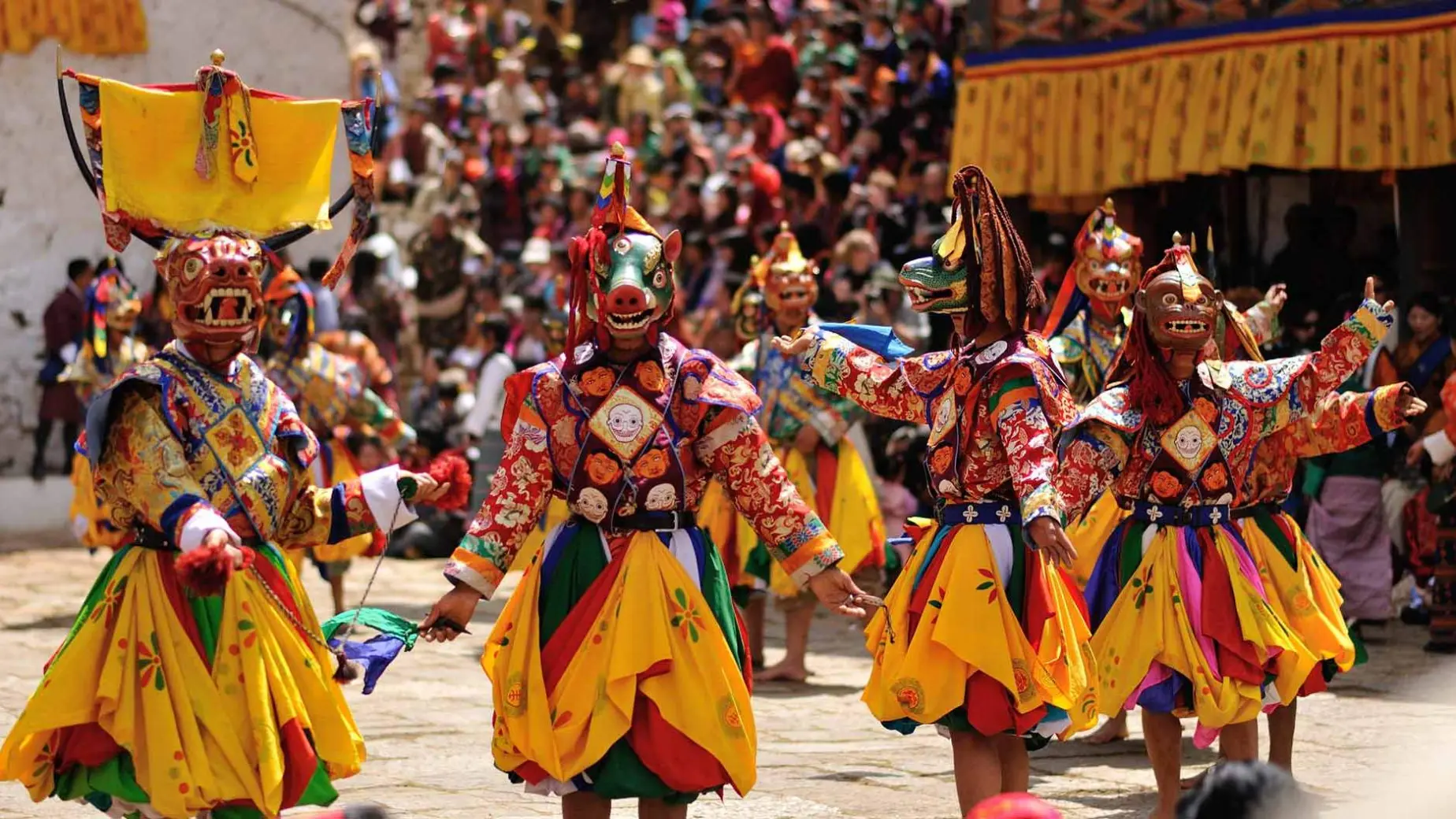
The Thimphu Tshechu festival in Bhutan is celebrated on the 10th day of the 8th month in the Bhutanese lunar calendar. Before the main festivities, prayer and ritual ceremonies are held inside the dzong to invoke blessings from the deities. The highlight of the festival is the mask dances, which depict the eight manifestations of Guru Rinpoche and are performed by monks. These vibrant and colorful dances are an important part of Bhutan's Buddhist culture, honoring Guru Rinpoche. The festival also serves as a time for the Bhutanese people to wear new clothes, socialize, and enjoy drinks. It is a major attraction for tourists and draws thousands of spectators, both locals and visitors alike.
Black Necked Crane Festival
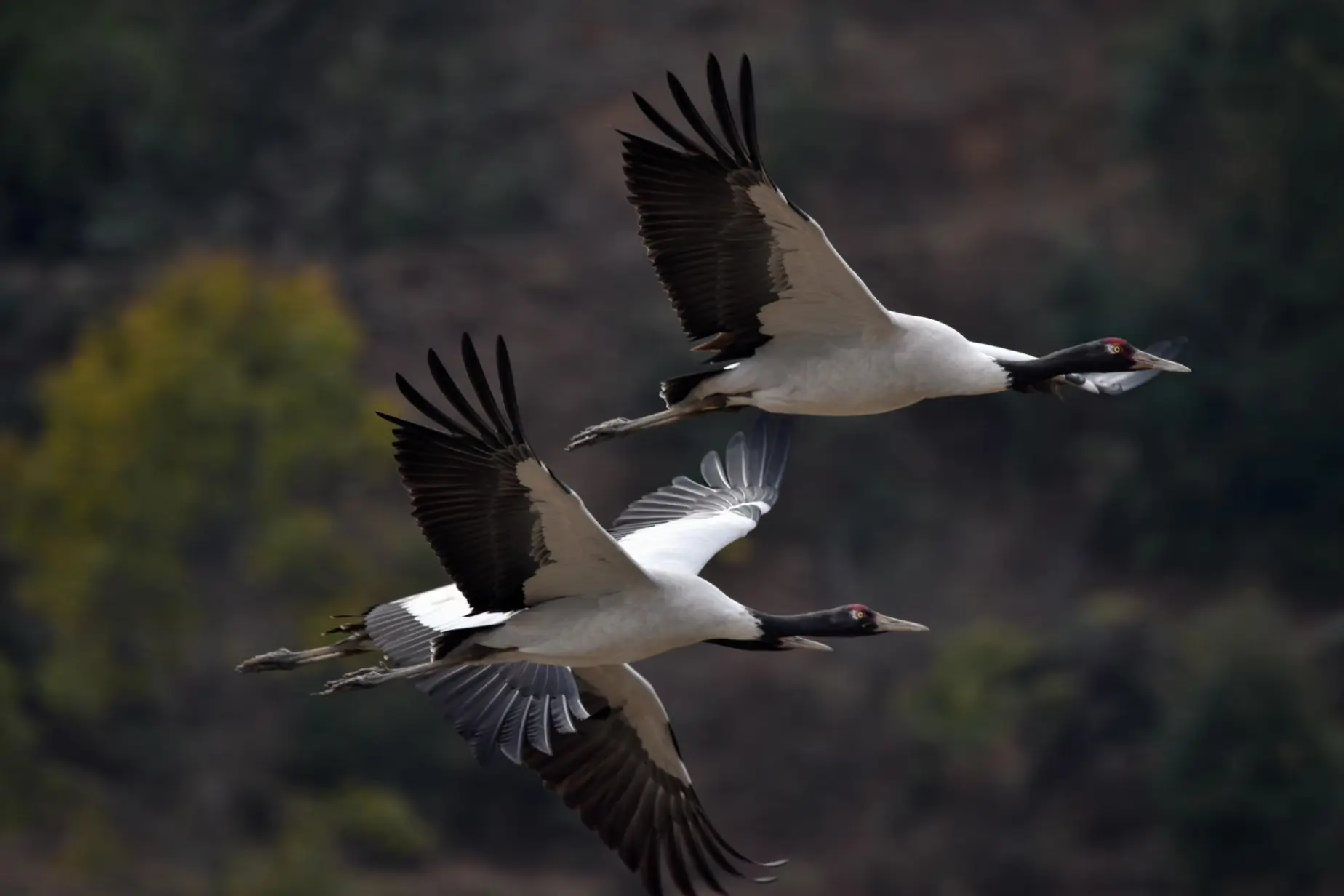
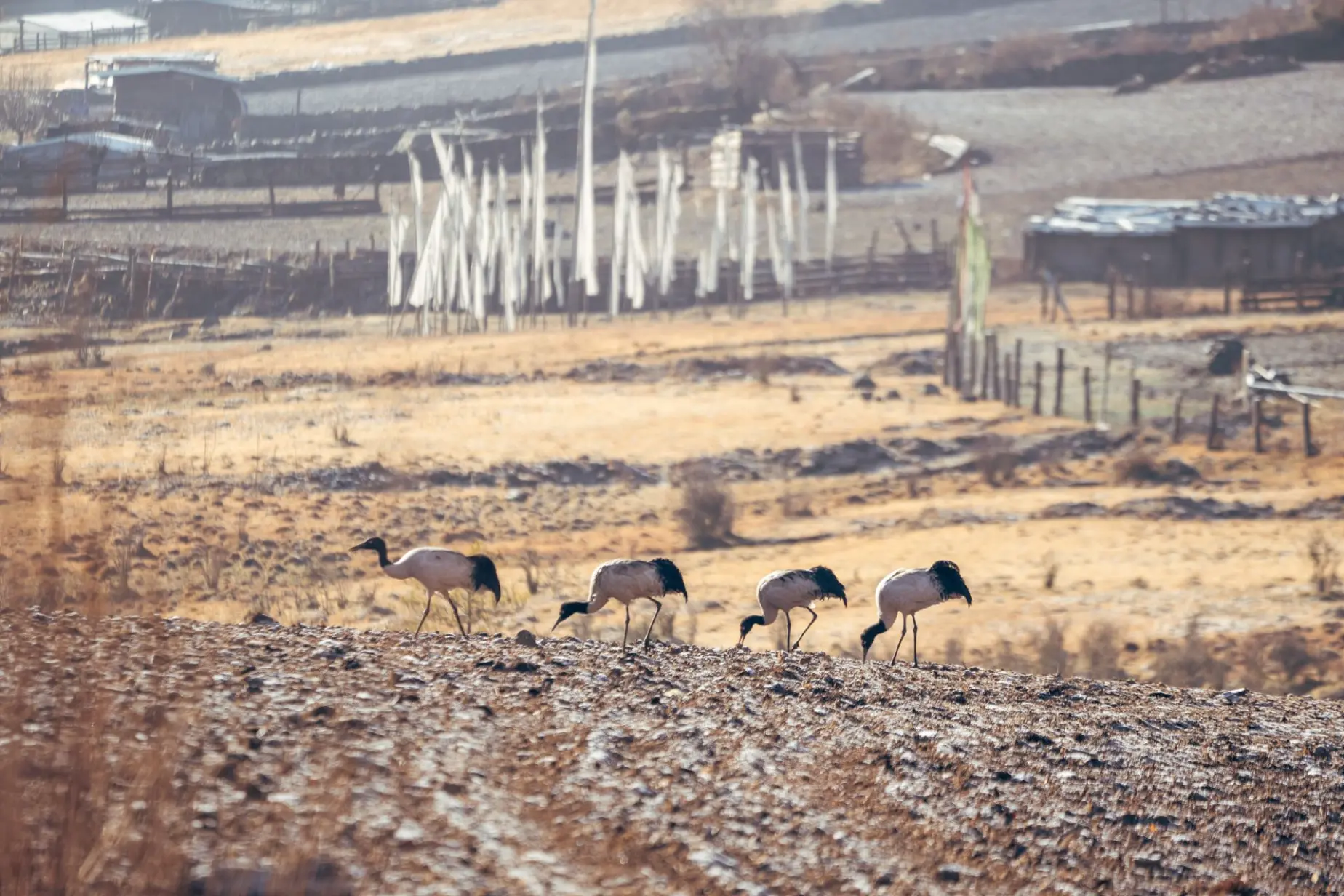
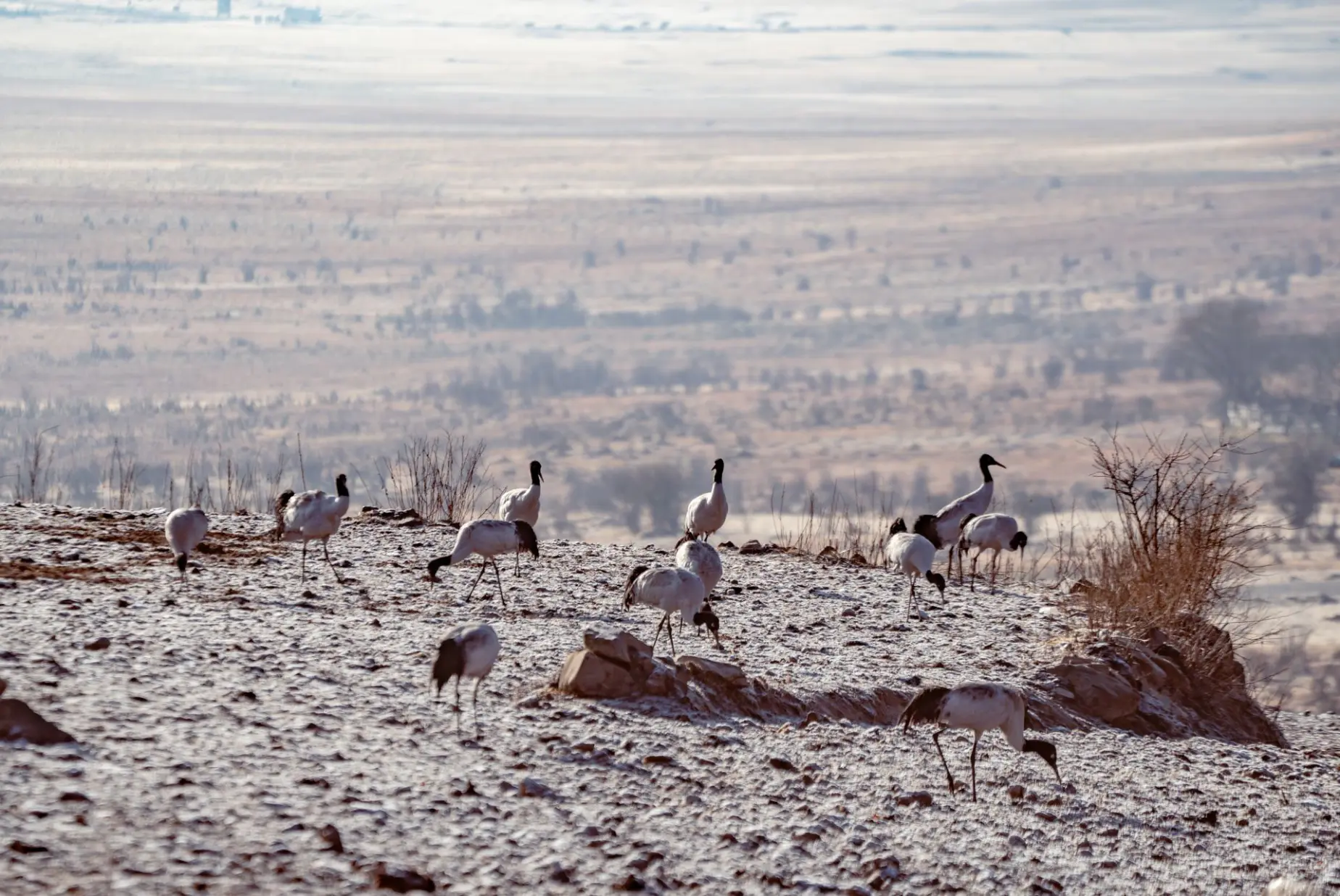
The Black-necked Crane Festival is held annually on November 11th at the Gangtey Monastery to celebrate the arrival of the cranes, which begin migrating to the area in late October. The festival attracts a large crowd of locals, with children dressed in crane costumes performing traditional crane dances. During this time, the cranes can be seen soaring high above the mountains.
Jambayang Drup
The Jambay Lhakhang Drup, held at one of Bhutan's oldest temples, is an exciting festival featuring the fire offering and the naked dance, both performed on the full moon night. Locals believe that passing through the fire arch removes obstacles, while the naked dance symbolizes primordial wisdom, helping to overcome fear and anxiety. The festival also includes other vibrant dances, such as the Dance of the Four Garudas, the Stick Dance, and the Drum Dance of Dorji Lingpa.
Paro Tshechu
Paro Tshechu is one of Bhutan's most celebrated festivals, showcasing vibrant dances performed by trained monks and laypeople in elaborate masks and costumes. Tshechus are deeply rooted in Bhutan's culture, honoring Guru Rinpoche, the saint who introduced Buddhism to the country. A major highlight of the Paro Tshechu is the unveiling of the immense silk Thangka, or ‘thongdroel,’ which is so large it covers the face of an entire building. Considered one of the most sacred blessings in Bhutan, the Thangka is displayed for only a few hours at dawn on the festival's final day, allowing people to receive its blessing. In Bhutanese, 'thongdroel' means "liberation by the mere sight of it," symbolizing its profound spiritual significance.
Punakha Tshechu
The Punakha Tshechu is one of Bhutan's most popular festivals, known for its vibrant celebrations and traditional masked dances with religious and historical significance. Held annually in February or March, it follows the Drubchen Tshechu festival and lasts for several days. During the festival, monks perform intricate dances in colorful costumes and masks, while atsaras (clowns) entertain the crowd with jokes and antics. A highlight is the unfurling of the Thongdrol, a large silk painting of Guru Rinpoche, on the final day. Tshechu are celebrated across Bhutan, offering a unique opportunity to experience the country’s rich cultural heritage. It’s best to confirm the dates with a travel specialist to plan your visit.
Druk Wangyel Tshechu
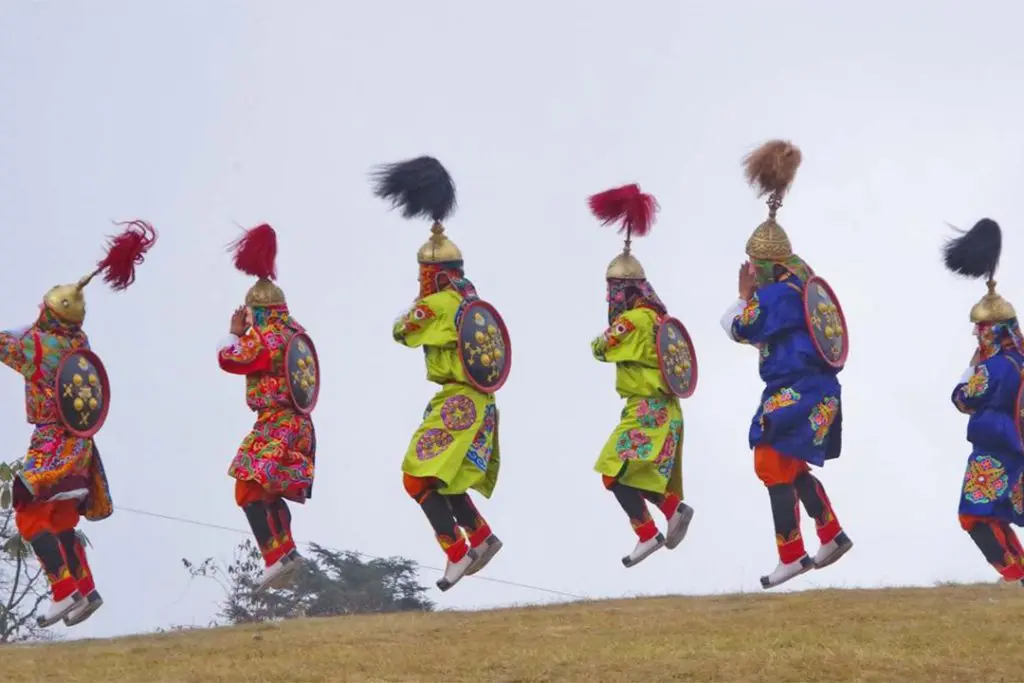
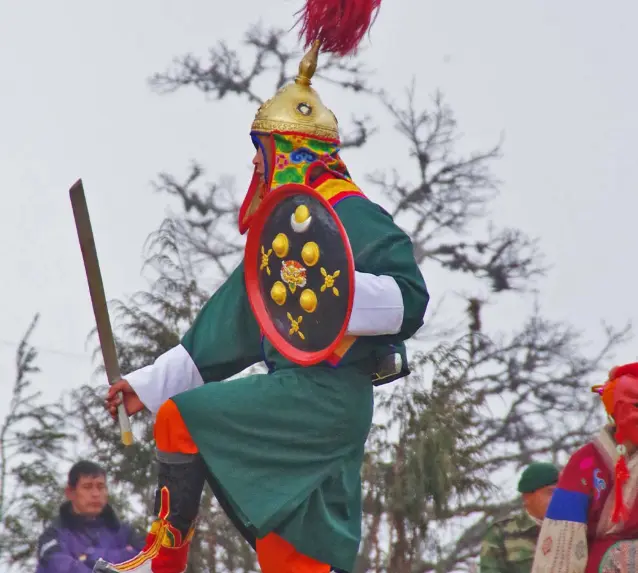
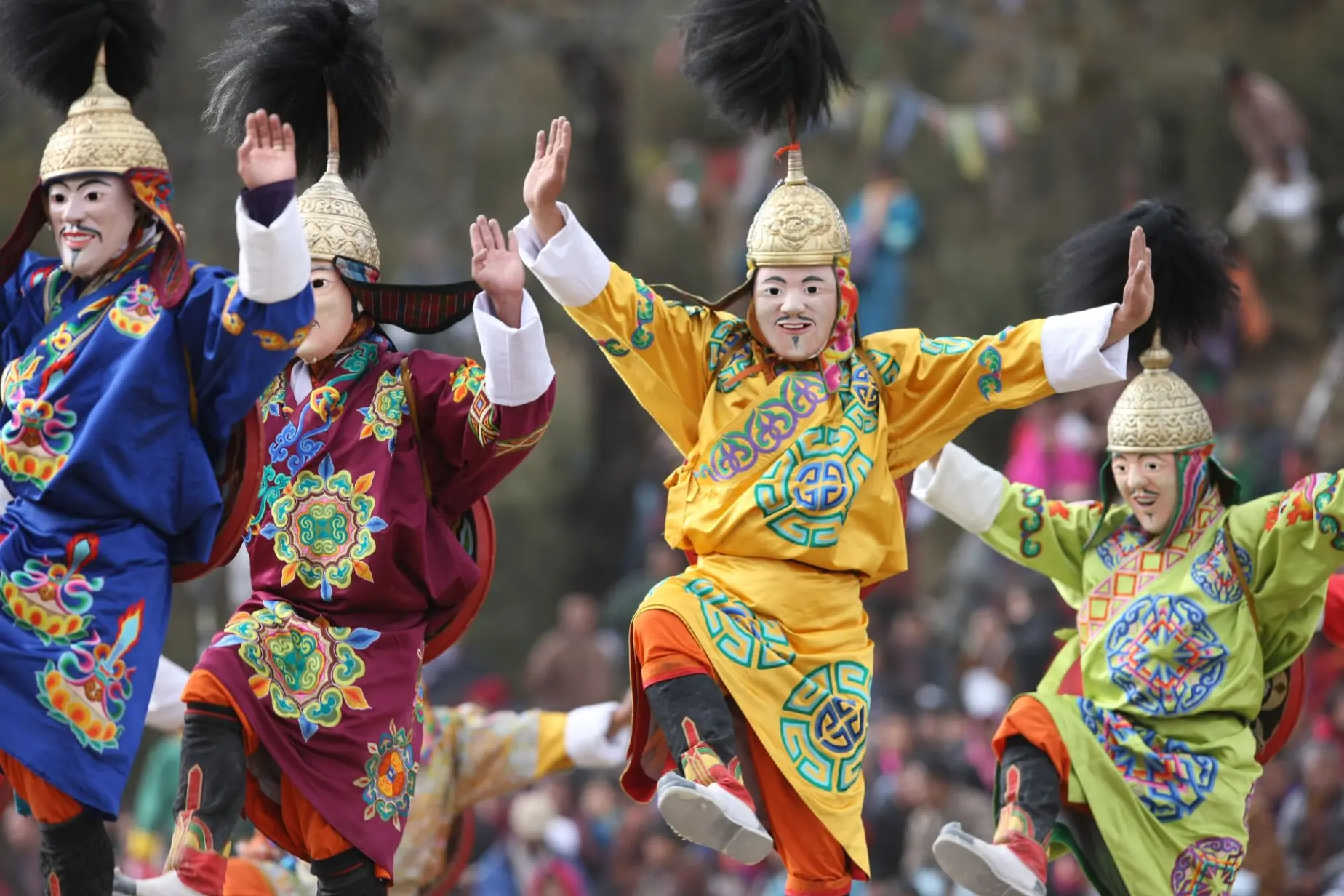
The Dochula Pass, between Thimphu and Punakha, is home to 108 chortens built by Ashi Dorji Wangmo Wangchuk, Bhutan’s Queen Mother. Above the pass, the Druk Wangyel Festival is held, uniquely performed by the Royal Bhutan Army. Established in 2011, the festival commemorates the victory of the Fourth Druk Gyelpo and the military in 2003. Soldiers train for three months in folk and mask dances. The event, honors the leadership of His Majesty Jigme Singye Wangchuck and celebrates the Royal Bhutan Army’s role in protecting the country.