About Bhutan
Story about GNH Country
Geography of Bhutan
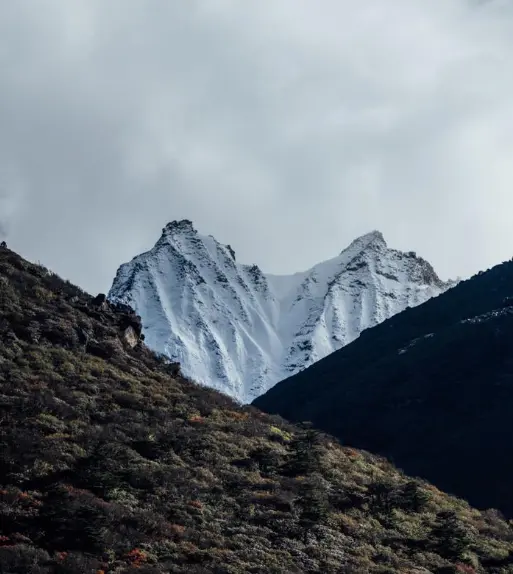
Bhutan, located between the two Asian giants, China and India, is nestled on the eastern slopes of the Himalayas, covering an area of 38,394 square kilometers. It lies at coordinates between 26°45′N and 28°10′N latitude, and 88°45′E and 92°10′E longitude, with a time zone that is six hours ahead of GMT. Geographically, Bhutan is divided into three distinct zones: the Great Himalaya, the Inner Himalaya, and the Southern Foothills. Administratively, the country is organized into 20 districts (Dzongkhags) and 205 village blocks (Gewogs), which are further subdivided into several municipalities (Thromdes). Thimphu serves as the capital of Bhutan.
Communities
The country’s geography, characterized by deep valleys and steep mountains, has resulted in a scattered and sporadic pattern of settlements. Despite the country’s small size—though not as small as often assumed—numerous indigenous communities still thrive, each with its own distinct dialects, traditions,and culture. Among these, three ethnic groups are particularly prominent: the Sharchops (of Indo-Mongoloid origin, considered the aboriginal people), the Ngalops (of Tibetan origin), and the Lhotsampas (of Nepalese origin). Together, they form the majority of Bhutan’s population.
Music and Dance
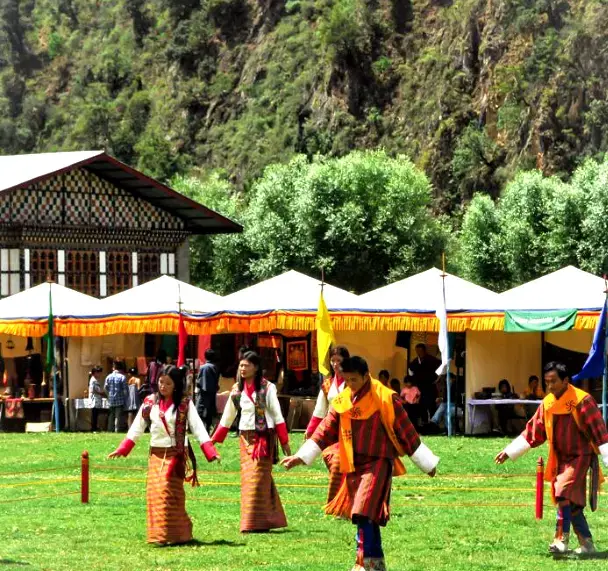
Bhutanese music and dance are deeply influenced by Buddhism, with traditional styles like Boedra, Zhungdra, and Zhey often performed using instruments such as the Chiwang and Dramnyen. Modern genres like Rigsar, blending local language with contemporary sounds, have emerged since the 1960s. Traditional music is mainly showcased during festivals and royal events, while global genres like pop, rock, and rap are becoming increasingly popular.
Language
The official language of Bhutan is Dzongkha, but due to the country’s diverse indigenous communities, there are over 20 languages spoken. The main groups – Sharchop, Ngalop, and Lhotsampa – speak Sharchop Kha, Ngalop Kha, and Nepali, respectively. On our Bhutan tours, we encourage learning the local dialect, especially when staying in homestays or enjoying traditional meals with hosts. English is widely used as the medium of instruction in schools and is understood by most, particularly in urban areas.
Art & Crafts
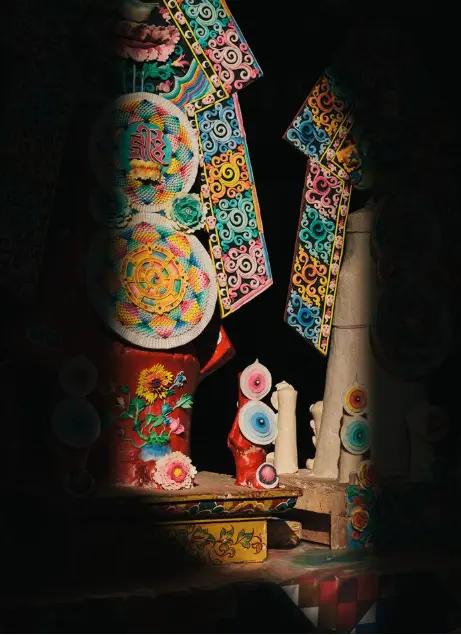
In Bhutan, arts and crafts are deeply tied to religion and history, often used in daily life and as decorations in homes and temples. The 13 traditional crafts, known as Zorig Chusum, include carpentry, masonry, carving, painting, sculpting, bronze casting, blacksmithing, ornament making, weaving, tailoring, woodturning, and paper-making. These arts were introduced by Tertoen Pema Lingpa and later promoted by Zhabdrung and Gyalse Tenzin Rabgye. Bhutanese textiles have gained international recognition in recent years.
Flora and Fauna
In Bhutan, environmental preservation is a key component of the Gross National Happiness policy. Approximately 72% of the country is covered by forests, with a commitment to maintain at least 60% forest cover at all times. Currently, 51% of the land is designated as protected areas, including wildlife sanctuaries, national parks, and ecological corridors. Bhutan is home to nearly 5,000 plant species, 770 bird species, and over 200 mammal species.
Gross National Happiness (GNH)
At 16, Jigme Singye Wangchuck succeeded his father as the Fourth Druk Gyalpo. He continued modernizing Bhutan while preserving its traditions and culture. His key priorities included education, decentralizing power, rural development, hydroelectricity generation, and boosting tourism. Internationally, he is most recognized for creating and implementing the concept of 'Gross National Happiness(GNH)', which focuses on well-being beyond just economic factors. After abdicating in favor of his son on December 15, 2006, his son, Jigme Khesar Namgyel Wangchuck, became the Fifth and current Druk Gyalpo of Bhutan.
Food
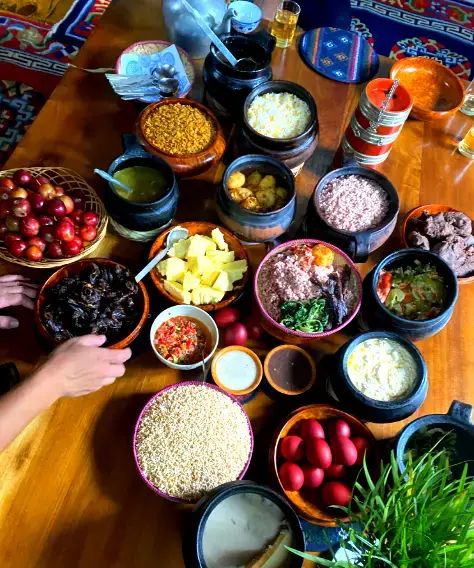
Bhutanese cuisine is renowned for its bold, spicy flavors and the use of locally sourced ingredients like rice, chilies, cheese, and yak meat. The national dish, ema datshi, features chili peppers cooked in a rich cheese sauce. Other well-loved dishes include momos (dumplings), phaksha paa (pork cooked with red chilies), and jasha maru (a spicy chicken stew).